
Annual
Joseph's Coat
Alternanthera ficoidea · Amaranthaceae
Also called: Calico Plant, Parrot Leaf, Alternanthera
Joseph's Coat (Alternanthera ficoidea) is a moderate-water annual well suited to Tucson and the low desert. It thrives in full sun to part shade, with a fast growth rate.
Joseph's Coat at a glance
- Water use
- Moderate (established)
- Sun
- Full sun to part shade; brightest foliage color develops in good light, but in Tucson light afternoon shade prevents leaf scorch in peak summer. Tolerates full sun with consistent moisture.
- Mature size
- 6-12 in tall and 12-18 in wide (mounding/spreading)
- Growth rate
- Fast
- Bloom
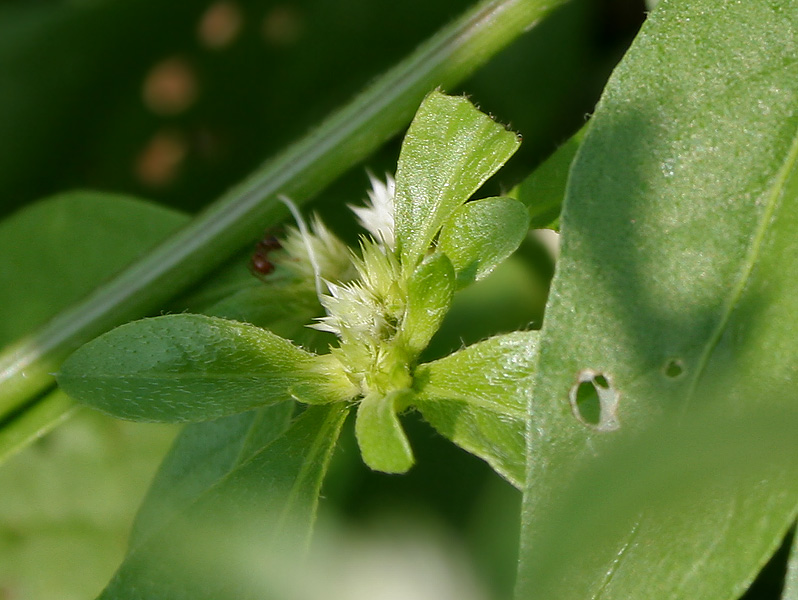
- Insignificant small whitish flowers (grown for red, orange, copper, yellow, and green variegated foliage), Grown for foliage; tiny white/straw flowers are insignificant and usually unnoticed
- Cold hardiness
- Very frost-tender; killed by freeze and damaged in cool weather below ~40-50 F. Grown as a warm-season annual in Tucson 9a-9b.
- Soil
- Adaptable, well-drained soil; amend Tucson's alkaline soil with compost for best growth and color. Tolerates a range of soils with adequate moisture.
- Native range
- Tropical Central and South America (Mexico to Argentina)
- Best used as
- Colorful low edging and borders, Carpet bedding and clipped patterns, Container 'filler', Groundcover-style foliage color
- Wildlife
- Low wildlife value; grown strictly for ornamental foliage. Generally not browsed by deer or rabbits.
- Toxicity
- Considered non-toxic to pets and humans; not listed by ASPCA as toxic. A safe foliage choice for pet- and child-friendly gardens.
How to grow Joseph's Coat in Tucson & the low desert
Watering
Warm-season annual: plant after last frost (April-May) once soil is warm. Keep soil evenly moist; water 2-3x/week in summer heat (more for containers). Wilts and browns if allowed to dry out; mulch to retain moisture.
Fertilizer & nutrients
Light to moderate feeder; balanced slow-release fertilizer at planting plus an occasional diluted liquid feed keeps foliage vivid. Avoid heavy nitrogen, which mutes leaf coloration.
Pruning & care
Shear or pinch regularly to maintain a tidy, dense mound or low edging—it responds well to frequent trimming and is often used in clipped patterns. Remove insignificant flowers.
Notes
A heat-loving warm-season foliage annual well suited to Tucson summers when given regular water; provides bright leaf color where flowering plants struggle in extreme heat. Often used as a compact edging or in mass-planted color patterns. Roots easily from cuttings.
Sources: University of Arizona Cooperative Extension; Pima County Master Gardeners; Missouri Botanical Garden; Floridata