
Herb
French Tarragon
Artemisia dracunculus 'Sativa' · Asteraceae
Also called: True tarragon, Estragon
French Tarragon (Artemisia dracunculus 'Sativa') is a moderate-water herb well suited to Tucson and the low desert. It thrives in full sun in winter, with a moderate growth rate.
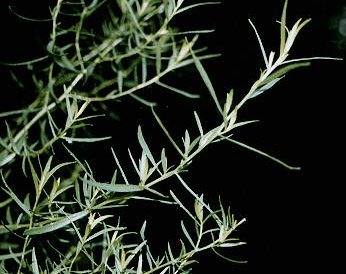
French Tarragon at a glance
- Water use
- Moderate (established)
- Sun
- Full sun in winter; provide afternoon shade or filtered light in Tucson's hot months to prevent scorch.
- Mature size
- 18-24 in tall, 12-15 in wide (spreading subshrub).
- Growth rate
- Moderate
- Bloom
- Inconspicuous greenish-white (seldom blooms), Rarely flowers; French tarragon is sterile and does not set viable seed.
- Cold hardiness
- Cold-hardy perennial that needs winter chill/dormancy to thrive; in Tucson's mild winters and intense summer heat it is challenging and often short-lived. Tolerates frost (goes dormant in winter); struggles with extreme summer heat and humidity.
- Soil
- Sharp, well-drained, lean soil is essential; it rots in heavy or wet soil. Amend Tucson clay with grit/compost or grow in containers; tolerates alkaline soil.
- Native range
- The cultivated French tarragon is a clone of Artemisia dracunculus (Eurasian/wild species range across the Northern Hemisphere, including parts of North America); the 'Sativa' culinary clone is not native to the Sonoran Desert
- Best used as
- Premier culinary herb (anise-like flavor for French cuisine, chicken, fish, vinegars, sauces), Container herb
- Wildlife
- Minimal wildlife value; aromatic foliage tends to deter some pests.
- Toxicity
- Edible/culinary in normal amounts; contains estragole, so avoid large medicinal doses, especially in pregnancy. Generally considered safe around pets in small amounts.
How to grow French Tarragon in Tucson & the low desert
Watering
Water moderately and let the soil surface dry between waterings; about 1-2x/week once established, more often in containers and summer. Avoid overwatering, which causes root rot.
Fertilizer & nutrients
Light feeder; a little compost or one light spring application of balanced fertilizer is plenty. Excess nitrogen weakens flavor and growth.
Pruning & care
Pinch tips to encourage bushy growth and harvest sprigs through the season; cut back in late fall as it goes dormant. Divide every 2-3 years to keep it vigorous.
Notes
Must be propagated from cuttings or division (the true French clone is sterile; seed-grown 'tarragon' is the inferior Russian tarragon). Plant transplants in fall or early spring in Tucson. It is one of the harder herbs here because it wants winter chill and dislikes intense heat: give it excellent drainage, afternoon summer shade, and consider a container that can be moved to a cooler microclimate. Provide a dry winter dormancy.
Sources: University of Arizona Cooperative Extension; Pima County Master Gardeners