
Herb
English Lavender
Lavandula angustifolia · Lamiaceae
Also called: True lavender, Common lavender
English Lavender (Lavandula angustifolia) is a low-water herb well suited to Tucson and the low desert. It thrives in full sun, with a slow to moderate growth rate. Expect purple to violet-blue blooms spring into early summer in Tucson.
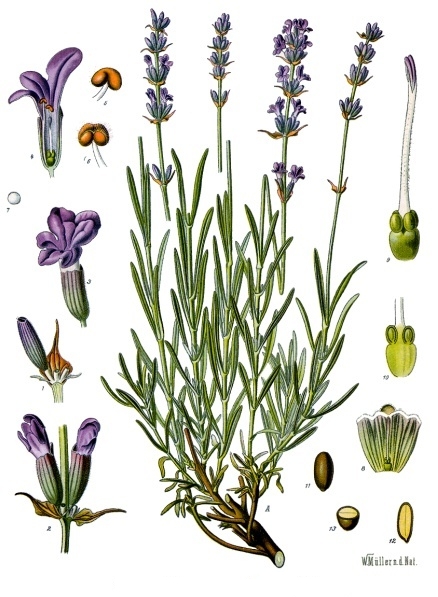
English Lavender at a glance
- Water use
- Low (established)
- Sun
- Full sun; in Tucson it benefits from a bit of afternoon shade in the hottest months, though it still needs strong light for good bloom and form.
- Mature size
- 1-2 ft tall and 2-3 ft wide (compact woody subshrub).
- Growth rate
- Slow to moderate
- Bloom
- Purple to violet-blue, Spring into early summer in Tucson (typically April-June), with possible light rebloom.
- Cold hardiness
- Cold-hardy through Tucson winters and frost-tolerant; the main challenge here is summer heat and humidity (especially monsoon) plus wet feet. English lavender is less heat-tolerant than Spanish (L. stoechas) or 'Goodwin Creek'/lavandin types, which often perform better in the low desert.
- Soil
- Sharp, fast-draining, gritty/sandy soil is critical; tolerates and even likes alkaline desert soil. Amend clay with decomposed granite/grit and plant high; it rots in soggy soil.
- Native range
- Mediterranean region (Western Mediterranean); not native to the Sonoran Desert
- Best used as
- Ornamental flowering herb/subshrub, Pollinator plant, Culinary and crafts (culinary lavender, sachets, oils), Low water-use landscape accent / low hedge
- Wildlife
- Excellent for bees, butterflies, and other pollinators; fragrant foliage tends to deter rabbits and deer.
- Toxicity
- Considered toxic/mildly toxic to dogs and cats (linalool); can cause GI upset if ingested. Aromatic and generally low-risk but not for pet consumption.
How to grow English Lavender in Tucson & the low desert
Watering
Drought-tolerant once established; water deeply but infrequently, letting soil dry between irrigations (roughly weekly in summer, less in winter). Avoid overhead watering and keep crown dry, especially during monsoon, to prevent root/crown rot.
Fertilizer & nutrients
Very light feeder; lean soil produces the best fragrance. Little to no fertilizer needed; a light application of compost or low-nitrogen feed in spring is sufficient. Over-fertilizing causes floppy growth and fewer blooms.
Pruning & care
Shear lightly after the main bloom to remove spent flower spikes and shape the plant; prune up to about one-third, cutting back into green wood (not old bare wood) to keep it compact and prevent woodiness.
Notes
Plant in fall or early spring in Tucson for root establishment before summer. Excellent drainage and good air circulation are the keys to success in the low desert; many local gardeners find Spanish lavender (L. stoechas) and lavandin/'Provence' types more reliably heat-tolerant than true English lavender. Mulch lightly with gravel rather than organic mulch to keep the crown dry.
Sources: University of Arizona Cooperative Extension; Pima County Master Gardeners; AMWUA Landscape Plants for the Arizona Desert