
Vine
Passionfruit (Purple/Edible)
Passiflora edulis · Passifloraceae
Also called: Purple passionfruit, Passion vine, Maracujá
Passionfruit (Purple/Edible) (Passiflora edulis) is a moderate-water vine well suited to Tucson and the low desert. It thrives in full sun to part shade, with a fast growth rate.
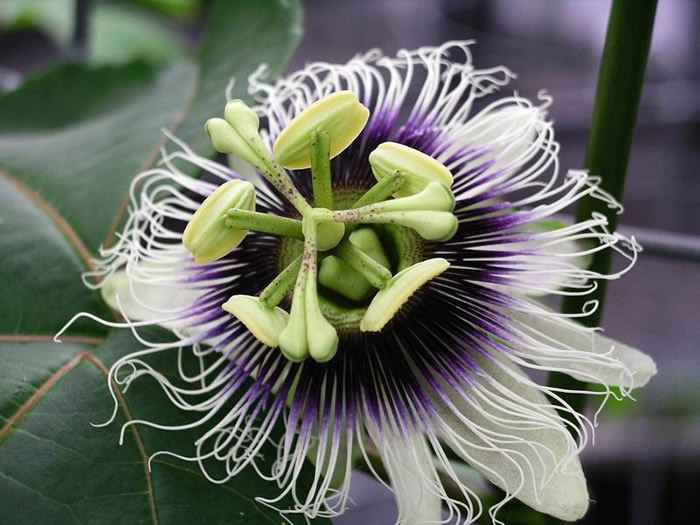
Passionfruit (Purple/Edible) at a glance
- Water use
- Moderate (established)
- Sun
- Full sun to part shade; in Tucson, morning sun with afternoon/filtered shade is best — full reflected western sun can scorch foliage and fruit in summer.
- Mature size
- Vigorous twining tendril vine, 15-20+ ft per season; needs a sturdy trellis, fence, or arbor.
- Growth rate
- Fast
- Bloom
- Striking white-and-purple fringed flowers; fruit purple (or yellow in some types) when ripe., Blooms late spring through summer/fall; fruit ripens summer into fall. Most cultivars are self-fertile but hand-pollination boosts set.
- Cold hardiness
- Frost-sensitive (tender); hardy only to about 28-32°F. In Tucson it is damaged or killed back by frost — protect with frost cloth, grow against a warm south/east wall, in a microclimate, or in a container that can be moved/covered in winter. May die back and resprout in mild winters.
- Soil
- Rich, well-drained soil amended with organic matter; prefers slightly acidic to neutral pH and resents heavy clay/caliche. Amend Tucson soil heavily and ensure drainage; can show chlorosis in high-pH soils (treat with chelated iron).
- Native range
- Native to South America (Brazil/Paraguay/Argentina region).
- Best used as
- Edible fruit (fresh, juice), Ornamental flowering vine for arbors/fences, Pollinator/butterfly plant (larval host for some butterflies)
- Wildlife
- Flowers attract bees and carpenter bees; Passiflora are larval host plants for Gulf fritillary and other butterflies. Birds may take fruit.
- Toxicity
- Ripe fruit pulp is edible. Unripe fruit, leaves, and roots contain cyanogenic compounds — keep children and pets from eating foliage/unripe fruit. (Note: P. edulis is the edible species; some ornamental Passiflora are more toxic.)
How to grow Passionfruit (Purple/Edible) in Tucson & the low desert
Watering
Needs regular, consistent moisture — drip 2-3 times/week in summer heat; do not let it dry out during flowering/fruiting or fruit drops. Reduce in winter. Mulch to keep roots cool and moist.
Fertilizer & nutrients
Heavy feeder; fertilize through the growing season (spring-summer) with a balanced fertilizer, easing off very high nitrogen (which favors vine over fruit). Supplement iron and trace minerals to prevent chlorosis in alkaline soil.
Pruning & care
Prune in early spring after frost danger to remove dead/frost-damaged growth and shape; fruit forms on new growth, so light tipping encourages fruiting laterals. Thin tangled growth for airflow.
Notes
Best grown in a protected warm microclimate or large container in Tucson because of frost sensitivity and heat/sun stress. Provide a sturdy trellis. The main limiting factors are winter frost and intense reflected summer sun — site accordingly.
Sources: University of Arizona Cooperative Extension; University of Florida/IFAS passionfruit culture (regional reference); Reputable horticulture references on Passiflora edulis