
Herb
Garden Sage
Salvia officinalis · Lamiaceae (mint family)
Also called: Common Sage, Culinary Sage, Broadleaf Sage
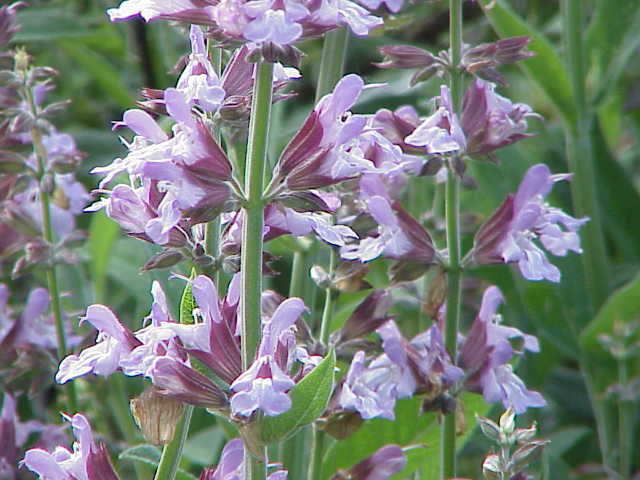
Garden Sage (Salvia officinalis) is a low-water herb well suited to Tucson and the low desert. It thrives in full sun in cool months, with a moderate growth rate. Expect lavender-blue to purple blooms spring.
Garden Sage at a glance
- Water use
- Low (established)
- Sun
- Full sun in cool months; provide afternoon shade in Tucson summer to prevent leaf scorch
- Mature size
- 18-24 in. tall, 24-36 in. wide; woody, mounding sub-shrub
- Growth rate
- Moderate
- Bloom
- Lavender-blue to purple, Spring (late winter into spring in Tucson)
- Cold hardiness
- Cold-hardy perennial in Tucson (USDA 9a-9b); frost-tolerant, no winter protection needed. Intense summer heat and humidity (monsoon) are the main stresses, and plants may be short-lived (replace every few years).
- Soil
- Well-drained, gritty or sandy soil; tolerates lean, rocky, alkaline desert soils. Raised beds or containers help with drainage. Neutral to slightly alkaline pH.
- Native range
- Mediterranean region (southern Europe, northern Mediterranean coast)
- Best used as
- Culinary herb (poultry, stuffing, sausage, brown-butter sauces), Low water-use ornamental/herb border, Container planting, Pollinator plant (bees love the flowers)
- Wildlife
- Spring flowers are a strong magnet for bees and hummingbirds; aromatic gray foliage is generally avoided by rabbits and javelina.
- Toxicity
- Non-toxic and safe for people and pets in culinary amounts; concentrated sage essential oil should not be given to pets.
How to grow Garden Sage in Tucson & the low desert
Watering
Drought-tolerant once established; water deeply but infrequently and let the top of the soil dry between waterings. Excellent drainage is critical, as it is prone to root rot in wet or heavy soil.
Fertilizer & nutrients
Very light feeder. A single spring feeding of balanced/all-purpose fertilizer or compost is enough; too much nitrogen produces floppy growth and weaker flavor.
Pruning & care
Prune lightly after flowering and harvest regularly to keep it compact. In early spring, cut back leggy, woody stems by up to one-third to renew the plant; avoid cutting into bare old wood.
Notes
A reliable woody perennial in Tucson. Plant transplants in fall (best, so it roots through the cool season) or early spring. Give full sun with summer afternoon shade and sharp drainage; protect from prolonged soggy soil during monsoon. Drought-tolerant and long-lived when not overwatered. Grows well in pots.
Sources: University of Arizona Cooperative Extension / Pima County Master Gardeners; Arizona-Sonora Desert Museum; Missouri Botanical Garden Plant Finder; AMWUA low-water-use plant guidance